Gongbi Painting as a Form of Cultural Preservation
|
Gongbi painting serves as an important tool for cultural preservation, documenting historical events, preserving traditional crafts, and communicating cultural values. The meticulous detail and historical accuracy of these works help ensure that valuable aspects of Chinese heritage are passed down for future generations. The work becomes a visual form of cultural record. 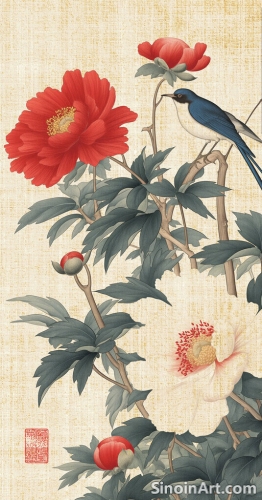 Gongbi paintings often serve as visual records of historical events, accurately portraying the clothing, architecture, and social customs of different periods in Chinese history. These works serve as a kind of time capsule, allowing the modern viewer to understand a past world. 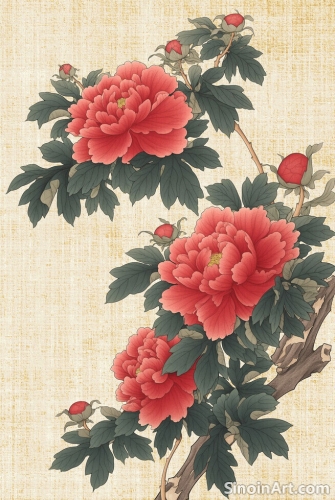 The art form itself is a testament to the craftsmanship and techniques that have been passed down through generations of artists. The preservation of these techniques is a crucial part of maintaining the integrity of the tradition. The subject matter of Gongbi paintings, with its emphasis on traditional symbols, motifs, and narratives, also helps to transmit cultural values and beliefs to new audiences. The careful use of symbols and traditional stories provides a visual and narrative connection to the cultural heritage. By engaging with the traditional art form, artists and viewers alike are connecting with their cultural heritage and contributing to its continued relevance and vitality. The art form becomes both an expression of culture and a way to keep those traditions alive. Ultimately, Gongbi painting plays a significant role in ensuring the preservation of Chinese cultural heritage, promoting cultural understanding, and fostering appreciation for the rich artistic traditions of the past. The art form becomes a bridge between the past and the present, allowing the traditions to live on. |
Tag : Cultural preservation, Chinese heritage, traditional art, art history, preserving culture
Related information
- Gongbi Painting and the Depiction of Clouds and Mist
- Gongbi Painting and the Four Gentlemen: Symbolism in Nature
- A Historical Journey: The Origins of Gongbi Painting
- Gongbi Painting and its Relationship to Song Dynasty Aesthetics
- Learning Gongbi: A Guide for Aspiring Artists
This article explores the depiction of clouds and mist in Gongbi painting, highlighting the techniques used to create a sense of depth, luminosity, and atmosphere, and how the subtle variations in color and tone evoke a sense of mystery and serenity.
Explores the symbolism of the Four Gentlemen (plum blossom, orchid, bamboo, chrysanthemum) in Gongbi painting, highlighting their cultural significance and representation.
This article traces the historical development of Gongbi painting from its early origins to its modern resurgence, highlighting its evolution across dynasties and its place in Chinese art history.
This article explores the relationship between Gongbi painting and the aesthetic principles of the Song Dynasty, highlighting its influence on the art form's emphasis on realism, detail, subject matter, symbolism, and overall artistic vision.
A practical guide for aspiring Gongbi artists, covering essential learning steps, materials, and practice techniques.